



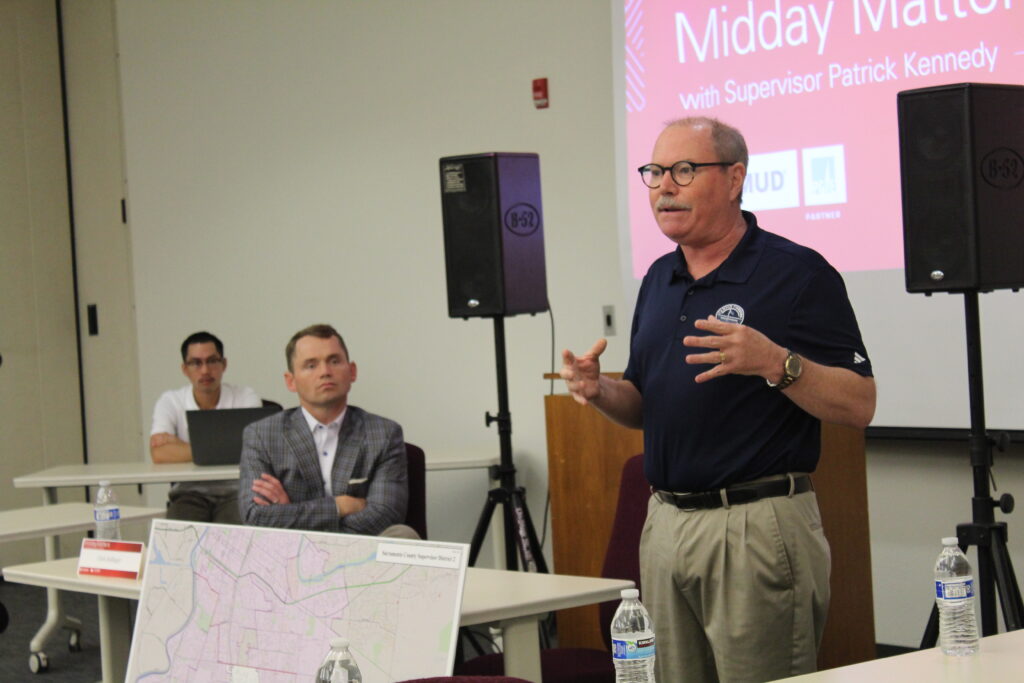
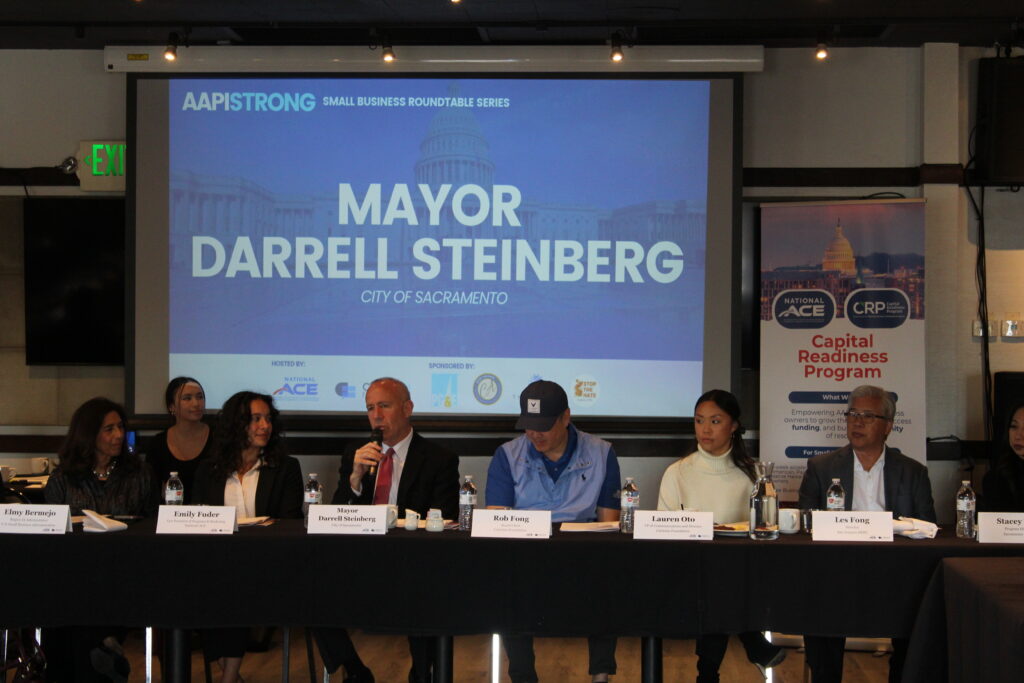
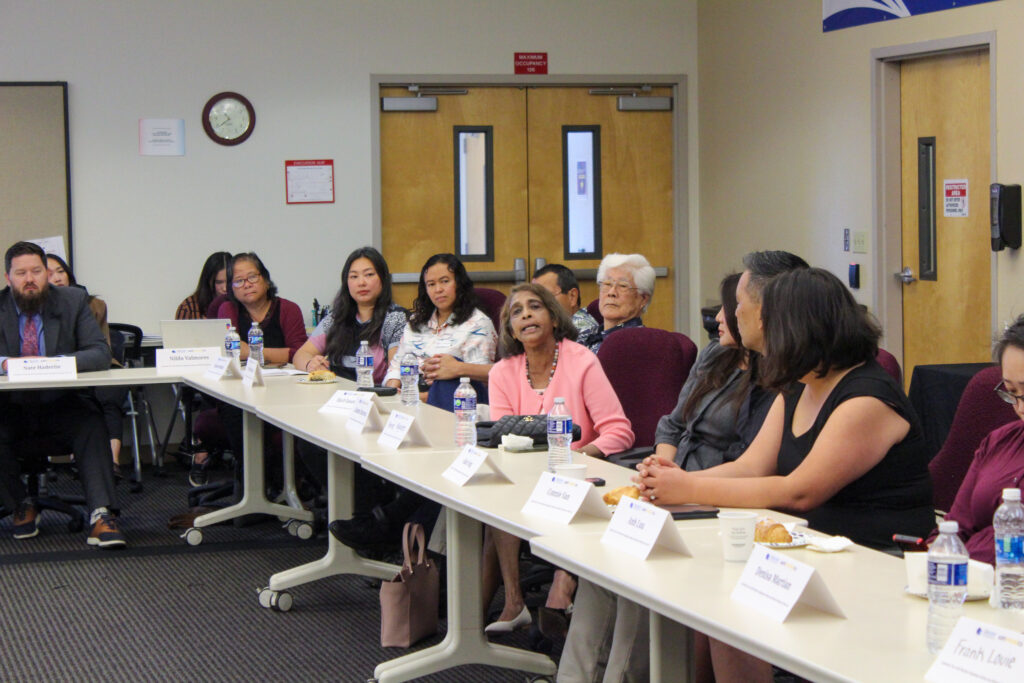
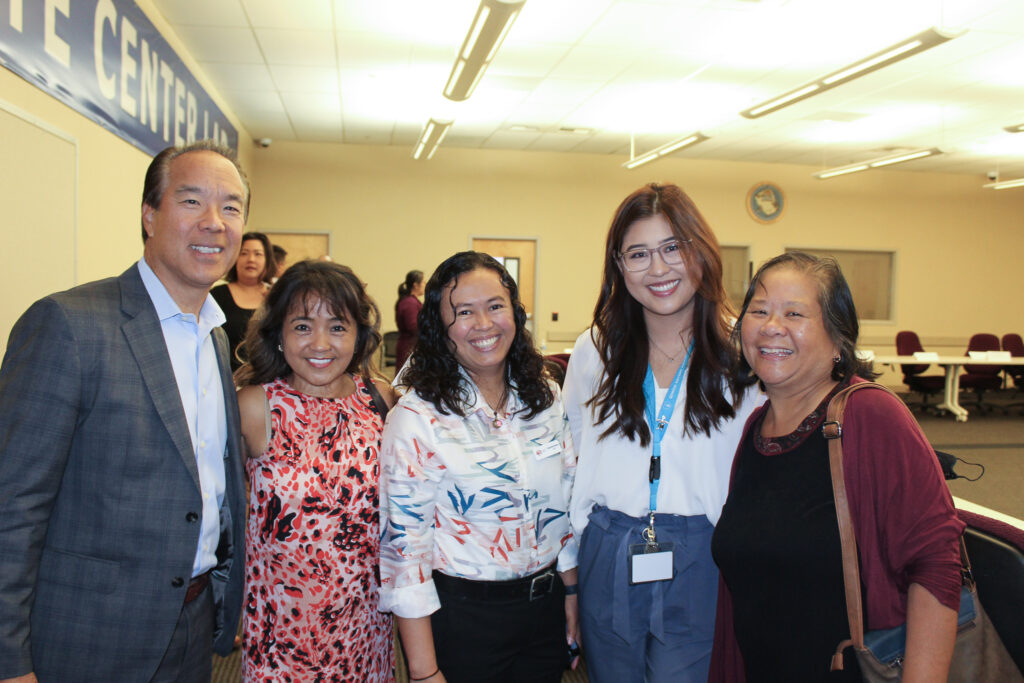
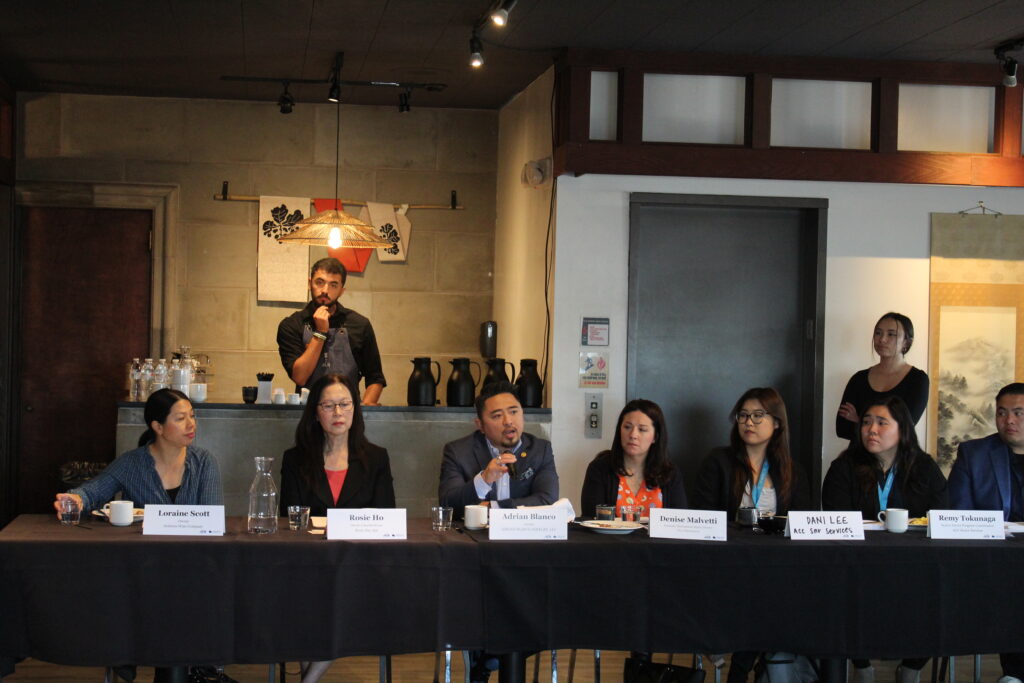
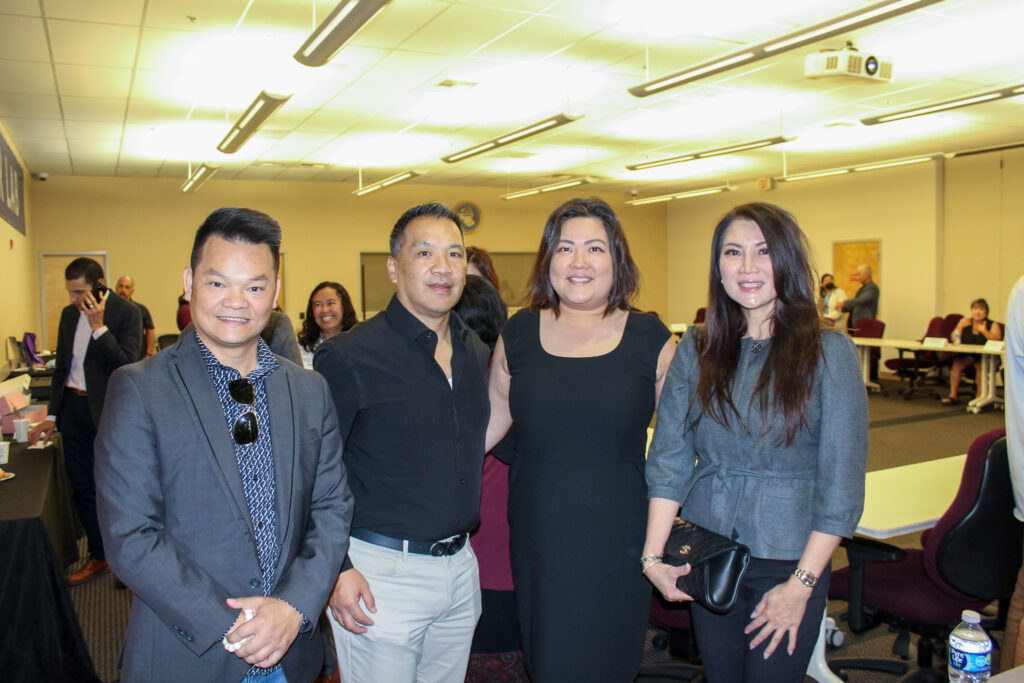
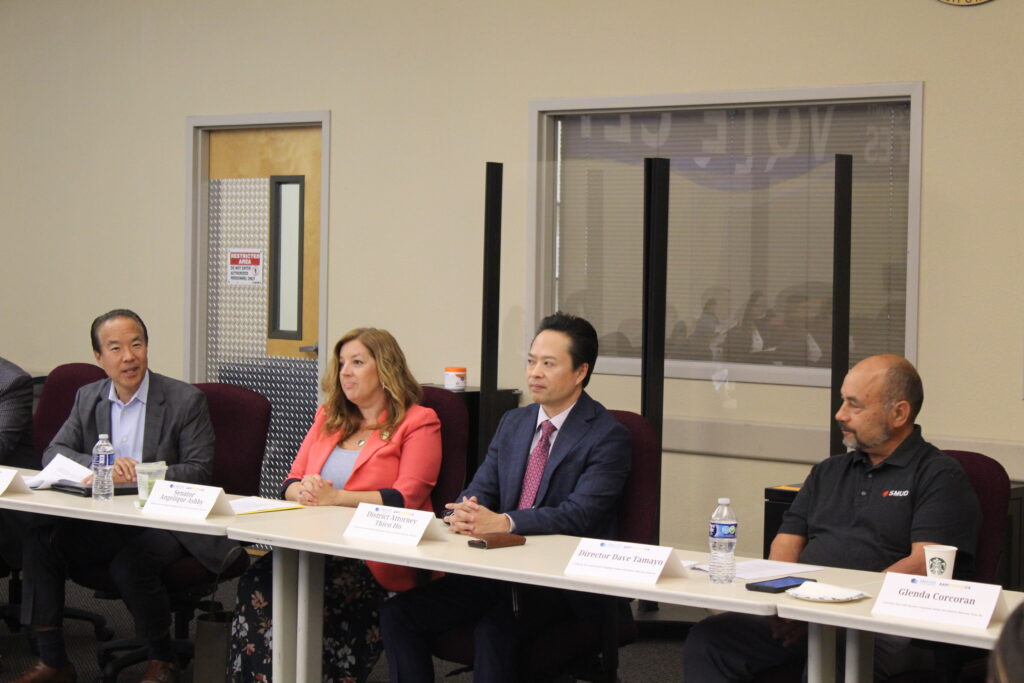
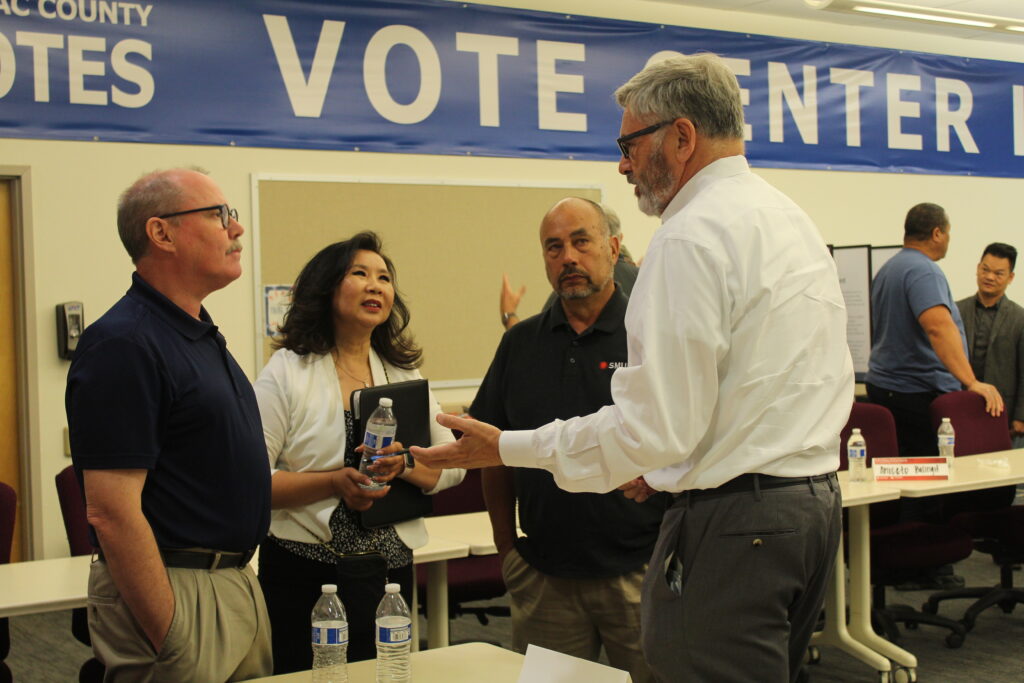
Small Business Strong was launched in response to the rise in anti-AAPI hate and discrimination, with a focus on supporting AAPI small business owners in the Sacramento and San Joaquin regions. Recognizing small businesses as both economic and cultural anchors, we designed programming to address immediate safety needs while fostering long-term resilience.
As part of the national #AAPISTRONG movement led by National ACE, our goal is to strengthen AAPI small businesses statewide through bias and cultural sensitivity training, engagement with policymakers, and culturally informed workplace mental health support. Our work began with prevention-focused trainings and continues to evolve to meet community needs.
Our AAPI Strong CA initiative recognizes that anti-Asian hate is part of a longer history of violence against people of color, working class, and immigrant communities. Our AAPI Strong CA program is committed to combating the systems that enable hate to manifest, by providing educational resources, mental health support, and community-focused trainings and webinars, in hopes of advocating for a more equitable society.
A Historical Perspective:
Historically, the U.S. relied on Asian migrant labor in the 19th century to bolster its economy; and still, Asian migrants were the targets of violence, from the 1882 Chinese Exclusion Act, assaults against Filipino farmworkers in the 1930s, Japanese internment camps of the 1930s, among others. We recognize that anti-Asian violence is inseparable from the struggles of Black, Brown, and Indigenous communities, where systems of policing and criminalization disproportionately target these communities.
Our Approach: A central focus of SMall Business Strong is to bring these forgotten histories to the fore for the public, as understanding one’s historical narrative, and its continuities, allows one to better understand the ways that systemic violence functions to sustain racism, poverty, homelessness, and negative mental health. Small Business Strong calls attention to these forms of violence by building solidarity with other BIPOC communities to confront the realities we are currently faced with.
In partnership with the Yellow Chair Collective, the CalAsian Foundation created multilingual digital resources on AAPI trauma to help communities facing language barriers access support. Explore the brochures and digital booklets below.
Digital Booklet (Click to Download)
Digital Brochure (Click to Download)
Looking for more resources? Check out our collection of anti-Asian hate and anti-racism toolkits, guides, and studies at the link below.
Small Business Strong is a part of the national #AAPISTRONG movement led by National ACE. Our goal is to connect AAPI small business owners throughout the United States with resources to combat discrimination and find meaningful solutions together. You can learn more about the national movement at aapistrong.com.
Recognizing small businesses as both cultural and economic anchors, we designed programming to address immediate safety needs while supporting long-term healing and resilience.
A key new component of our work this year is a culturally responsive workplace mental health initiative delivered in partnership with the Health Education Council (HEC), a trusted CBO with deep expertise in health equity and trauma-informed education.
This initiative will be delivered in four phases, beginning with a needs asessment of AAPI-owned businesses in the Sacramento and San Joaquin regions to identify cultural barriers, workplace stressors, and gaps related to trauma and mental wellness. Findings will inform webinar trainings and roundtables designed to help business owners create psychologically safe, inclusive workplaces and elevate their concerns to local decision-makers. The last phase will be structured outreach conducted three to six months after the trainings to assess ongoing needs and inform future support services.
Needs Assessment Survey:
Identify cultural barriers, workplace stressors, and gaps related to trauma and mental wellness.
4 Webinar Trainings:
Guide small business owners in creating psychologically safe, inclusive workplaces through onboarding, training, and messaging that promote safety, wellness, and stigma reduction.
3 Roundtables:
Elevate real-time concerns of small businesses, strengthen cross-racial solidarity, and bridge efforts across local entities.
Structured Outreach:
Conduct follow-ups 3–6 months after the trainings to assess implementation and identify continued needs, ensuring behavior change and informing future support services.
Small businesses are the backbone of California’s economy, and its largest employer, representing nearly all businesses in the state and employing millions of workers across our communities. When small business employees thrive, California thrives.
The workplace is one of the strongest drivers of community health. It shapes daily routines, economic stability, social connection, and overall well-being for workers and their families. Yet many small businesses lack access to affordable, culturally responsive mental health resources, even as they face rising stress, burnout, and workforce challenges.
Investing in workplace mental health support for small businesses strengthens employee retention, productivity, and resilience while reducing turnover and operational disruptions. More importantly, it creates ripple effects beyond the workplace—supporting healthier families, stronger local economies, and more resilient communities.
Your investment will help small businesses build healthier workplaces, empowering workers where they spend most of their waking hours, and advancing long-term community and economic health across California.
Resources include:
Your donation to the CalAsian Foundation will ensure that our member organizations and chambers continue to support their small businesses with resources needed to survive the pandemic by:
Our Sister Organizations
Non-Discrimination Statement: The California Asian Pacific Chamber of Commerce Foundation affirms its commitment to equality of opportunity for all individuals. This commitment requires that no discrimination shall occur in any program or activity on the basis of race, color, religion, national origin, ancestry, sex, gender identity, gender expression, physical or mental disability, medical condition, pregnancy, age, marital or partnership status, sexual orientation, genetic information, covered veteran status, or any other classification prohibited by local, state, or federal laws.